ROME

Rome is Italy's capital and seat of the municipality and the province with the same name, in the Lazio region. Internationally known as The Eternal City for its millennial history.
Rome is Italy's capital and seat of the municipality and the province with the same name, in the Lazio region. Internationally known as The Eternal City for its millennial history.
According to Roman myth, the city was founded around 753 BC. (effective date) by Romulus and Remus, two brothers, raised by a wolf, they are now symbols of the city. Since then it has become the center of Ancient Rome (Kingdom of Rome, Roman Republic, Roman Empire) and later the Papal States, Kingdom of Italy and, finally, the Italian Republic.
According to Roman myth, the city was founded around 753 BC. (effective date) by Romulus and Remus, two brothers, raised by a wolf, they are now symbols of the city. Since then it has become the center of Ancient Rome (Kingdom of Rome, Roman Republic, Roman Empire) and later the Papal States, Kingdom of Italy and, finally, the Italian Republic.


In the inner city is the state of the Vatican, Pope's residence (headquarters of the Catholic Church). It is one of the most important cities in world history, being a symbol of European civilization. [3] It saves countless ruins and monuments in the old city, especially the Roman Empire and the Renaissance, the cultural movement that was born in Italy.


According to tradition, Rome had been founded in 753 BC by Romulus and his brother Remus. Romulus and Remus were involved in a fight and Romulus ended up killing his brother Remus. At first it was ruled by kings but again according to tradition, became a republic in 509 BC. The city grew and at the end of the Republic, Rome was the capital of a vast empire around the Mediterranean Sea . At its peak during the second century, the city had about 45,000 of apartment buildings and a population of 1.6 million people. Their aqueducts carrying more than one million cubic meters of water, more water than arrives in modern Rome.
With the strengthening of the Christian king, in the third century AD, the Bishop of Rome (which would later be called the Pope) became the highest religious authority in Western Europe.
With the strengthening of the Christian king, in the third century AD, the Bishop of Rome (which would later be called the Pope) became the highest religious authority in Western Europe.
From mid-third century, beginning with the migration of the barbarians to within the borders of the Empire, and eventually invade the city several times, there was an influx of city dwellers into the countryside; when the empire collapsed (476), a little more than 50 000 inhabitants were still living in the city. The city of Rome would be barbarous hands (and supported economically and politically by the Byzantine Empire) for at least four centuries until, in 756, Pepin III the Short, defeated the Lombards, returning to Rome autonomy. Rome would become the capital of the Papal States until 1870, where the Pope was the ultimate authority of the state.
In a series of unprecedented events throughout the Italian peninsula, Rome became the capital of the new unified Italy Giuseppe Garibaldi in 1871. On February 11, 1929, Benito Mussolini established, a series of agreements with the Papacy, the independent state of Vatican City, giving a piece of 0.44 square kilometers within the city to this new country.
In the years that followed World War II, the city has seen rapid growth. With about 240 000 inhabitants at the time of unification of the country, the city grew to 692,000 in 1921 and 1.6 million in 1962.
In 1960, Rome hosted the Summer Olympics.
In 1960, Rome hosted the Summer Olympics.
More Photos:
Historic Centre of Rome
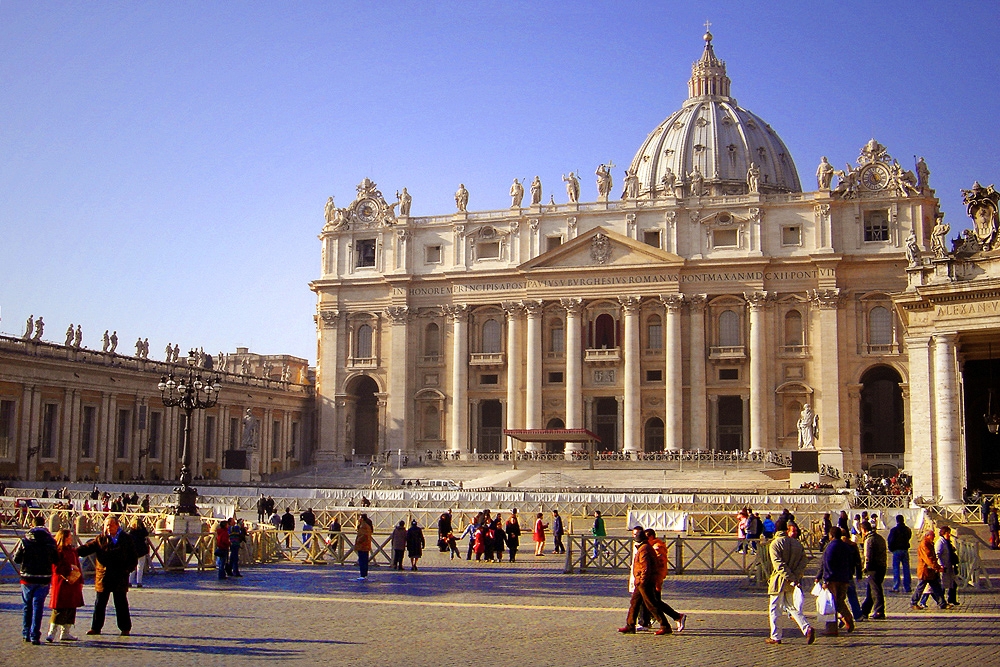
St. Peter's Basilica, view of the Castel Sant'Angelo.
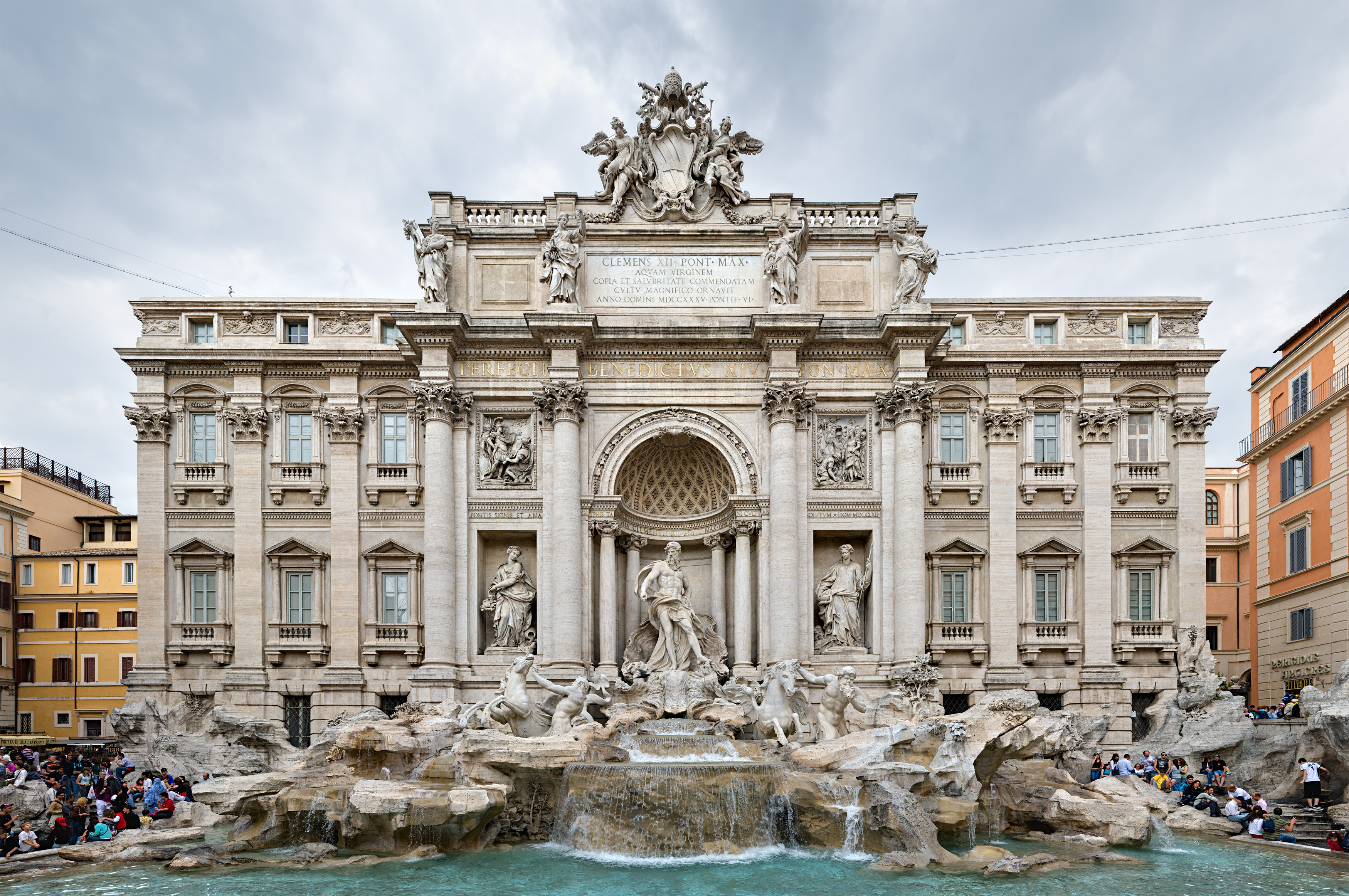
At the Trevi Fountain.
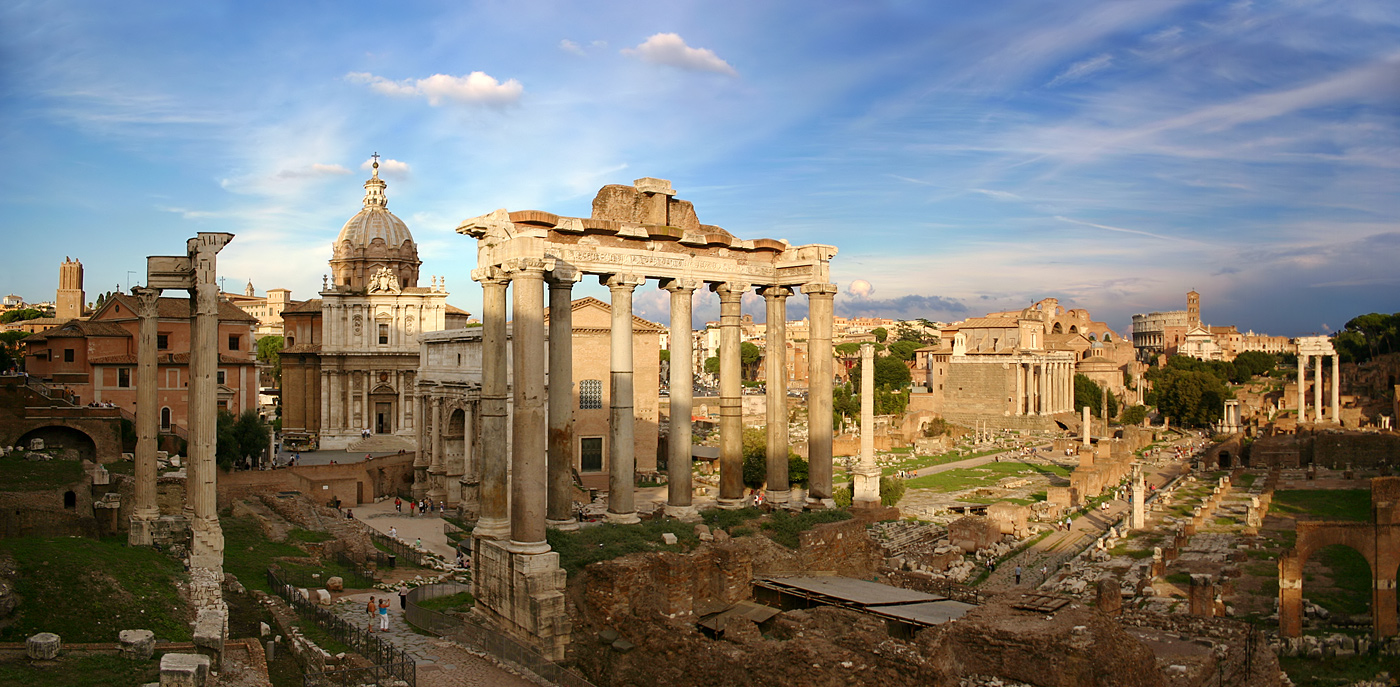
The Temple of Saturn, the Roman Forum.

The Pantheon.

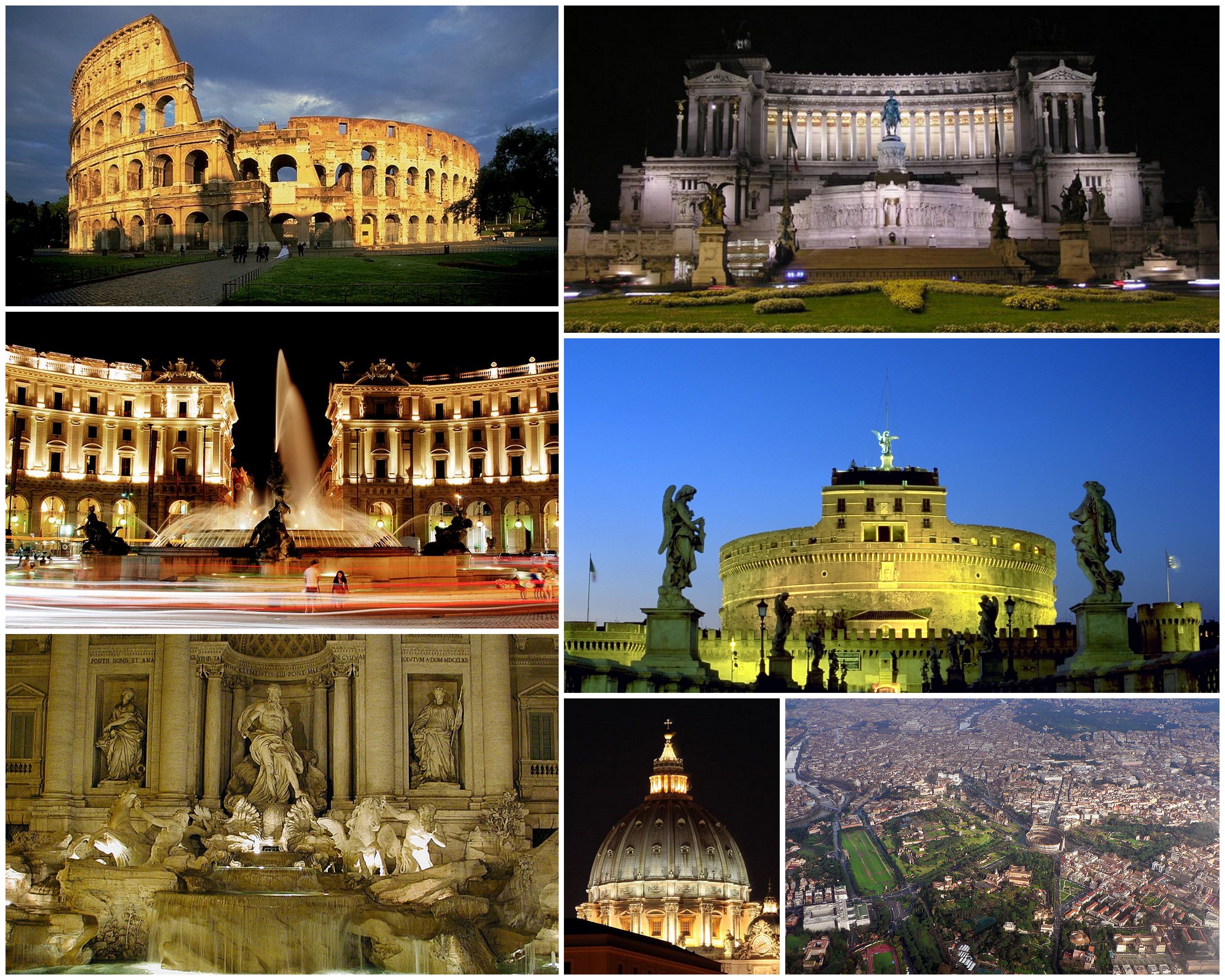
I hope you enjoyed.
The next city is Berlin.
Kisses.
The next city is Berlin.
Kisses.

Nenhum comentário:
Postar um comentário